

Scam and fraud attempts are increasing annually, with retirees and homeowners in Green Valley and Southern Arizona frequently being targeted. I’ve seen firsthand how alarming calls, misleading mail, fake emails, and fraudulent texts aim to steal money or personal information from our neighbors.
Unfortunately, some individuals have lost significant amounts due to scammers exploiting fear and urgency.
The best defense is awareness. Understanding common scam tactics helps you spot red flags before becoming a victim.
Why Retirees and Homeowners Are Prime Targets

Scammers often target retirees who may:
- Be more trusting of authority figures.
- Possess retirement savings or home equity.
- Answer calls from unknown numbers.
- Be less familiar with modern online scams.
- Feel pressured to act quickly in stressful situations.
Homeowners are targeted because property ownership details are often public, making scams seem more credible. The primary goal of most scammers is to steal your money, banking details, passwords, or identity.
Common Scams Targeting Homeowners & Retirees
1. Fake Bank or Credit Card Fraud Calls
A prevalent scam involves impersonators claiming to be from your bank or credit card company. They might state there’s suspicious activity, your card is compromised, or your account will be frozen if you don’t verify information immediately.
The caller may try to obtain:
- Account numbers
- Online banking credentials
- Social Security numbers
- Security codes
- Credit card information
Scammers can even “spoof” phone numbers to appear legitimate. Remember, never give out personal or banking information over the phone unless you initiated the call using a trusted number.
Important Reminder:
Never provide sensitive information over the phone unless you initiated the call using a trusted phone number.
2. Mortgage & Homeowner Scams
Homeowners frequently receive fake communications from entities claiming to be:
- Mortgage companies
- Loan servicing departments
- Home warranty providers
- Property records offices
- Real estate-related businesses
Some scams falsely claim your mortgage is overdue, your loan needs immediate attention, you must buy a home warranty, your property records need updating, or your deed is at risk. These notices often look official and use urgent language to pressure you into paying fees or revealing sensitive data.
Red Flag:
Legitimate companies generally won’t demand immediate payment over the phone or pressure you to act without allowing time for verification.
3. Government Impersonation Scams
Scammers may impersonate officials from:
- Social Security
- Medicare
- The IRS
- Law enforcement agencies
- Utility companies
They often threaten arrest, loss of benefits, utility shutoffs, or financial penalties. These scams rely heavily on fear and intimidation.
Remember:
Government agencies typically communicate via official mail and do not demand immediate payment through gift cards or wire transfers.
4. Tech Support Scams
You might see a pop-up or receive a call claiming your computer has a virus or your account is hacked, requiring immediate remote access. Scammers may ask you to download software, share passwords, allow remote access, or pay for fake security services.
Never grant unknown individuals remote access to your computer.
Why Scammers Use Fear and Urgency

Scammers use emotional tactics because panic leads to hasty decisions. Common pressure tactics include:
- “Act now.”
- “Your account is compromised.”
- “You’ll lose your money.”
- “The police will be contacted.”
- “This offer expires today.”
- “Do not tell anyone.”
The more emotional a situation feels, the more cautious you should be. Legitimate companies will allow you time to verify information, ask questions, and consult trusted advisors.
Warning Signs of a Scam
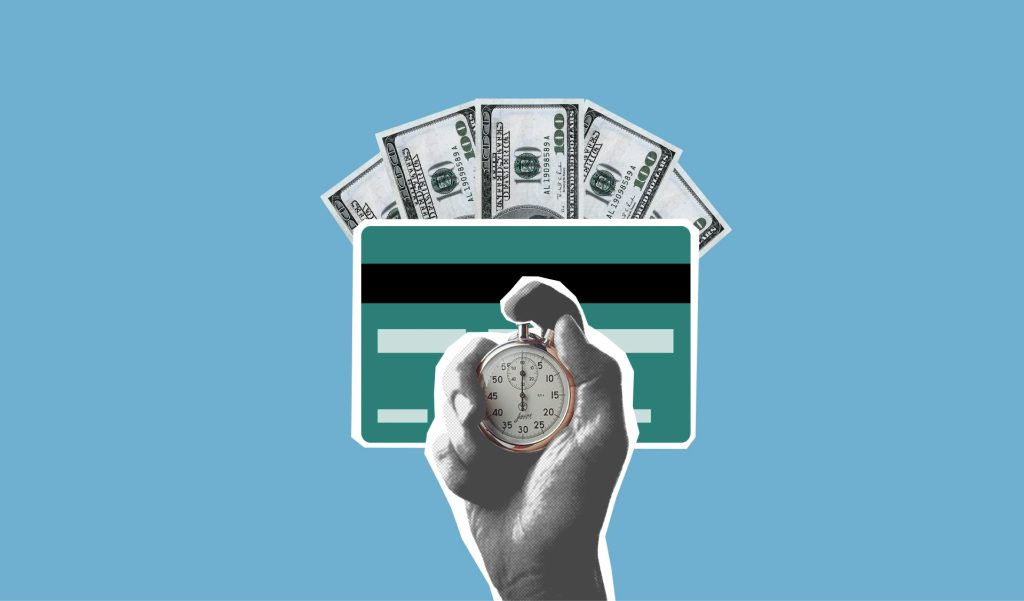
Be cautious if someone:
- Demands immediate payment.
- Pressures you to act quickly.
- Requests payment via gift cards or wire transfers.
- Asks for passwords or security codes.
- Tells you not to contact anyone else.
- Requests remote access to your computer.
- Calls unexpectedly about account problems.
- Sends mail marked “urgent” or “final notice.”
- Uses fear or threats to pressure you.
If something feels wrong, trust your instincts.
How to Protect Yourself

Never Give Personal Information Over the Phone
Do not provide:
- Banking information
- Credit card numbers
- Social Security numbers
- Passwords
- Verification codes
Unless you initiated the call using a trusted number.
Verify Requests Independently
If you receive a suspicious communication:
- Hang up immediately.
- Locate the company’s official phone number from your statement, their official website, or the back of your credit card.
- Call the company directly.
Never trust the phone number provided by the caller.
Be Careful With Official-Looking Mailers
Many scam letters mimic government notices, mortgage documents, or urgent account warnings. Read carefully; some are just solicitations designed to pressure you into unnecessary purchases. When in doubt, consult a trusted professional before responding.
Don’t Click Suspicious Links
Avoid clicking links from:
- Unknown text messages
- Unexpected emails
- Social media messages from strangers
Even if they appear legitimate.
Talk to Someone You Trust
Scammers often succeed when victims feel isolated or rushed. Before sending money or providing information:
- Talk to a family member.
- Contact your bank directly.
- Speak with a trusted advisor.
- Reach out to someone you trust.
A quick conversation can prevent a costly mistake.
What To Do If You Think You’ve Been Scammed
If you believe you may have shared information or sent money:
Immediately:
- Contact your bank or credit card company.
- Freeze compromised accounts.
- Change passwords.
- Monitor your accounts closely.
- Report suspicious transactions.
Report Fraud To:
- Federal Trade Commission (FTC) Fraud Reporting
- FBI Internet Crime Complaint Center (IC3)
- AARP Fraud Watch Network
- Social Security Fraud Hotline
If identity theft is involved, visit:
- IdentityTheft.gov
The faster you act, the better your chance of limiting damage.
Final Thoughts on Scam Prevention for Retirees
Scammers are becoming more sophisticated, and anyone can be a target. The best protection involves slowing down, staying alert, and verifying information before acting.
Always remember that I’m your dedicated REALTOR® and friend. If you receive a suspicious communication, trust your instincts. If something feels off, it likely is. Hang up, don’t share information, and verify through a trusted source. If you’re ever unsure, please reach out to me. I’d much rather answer a quick question than see you become the victim of a scam.


 EN
EN
 ES
ES